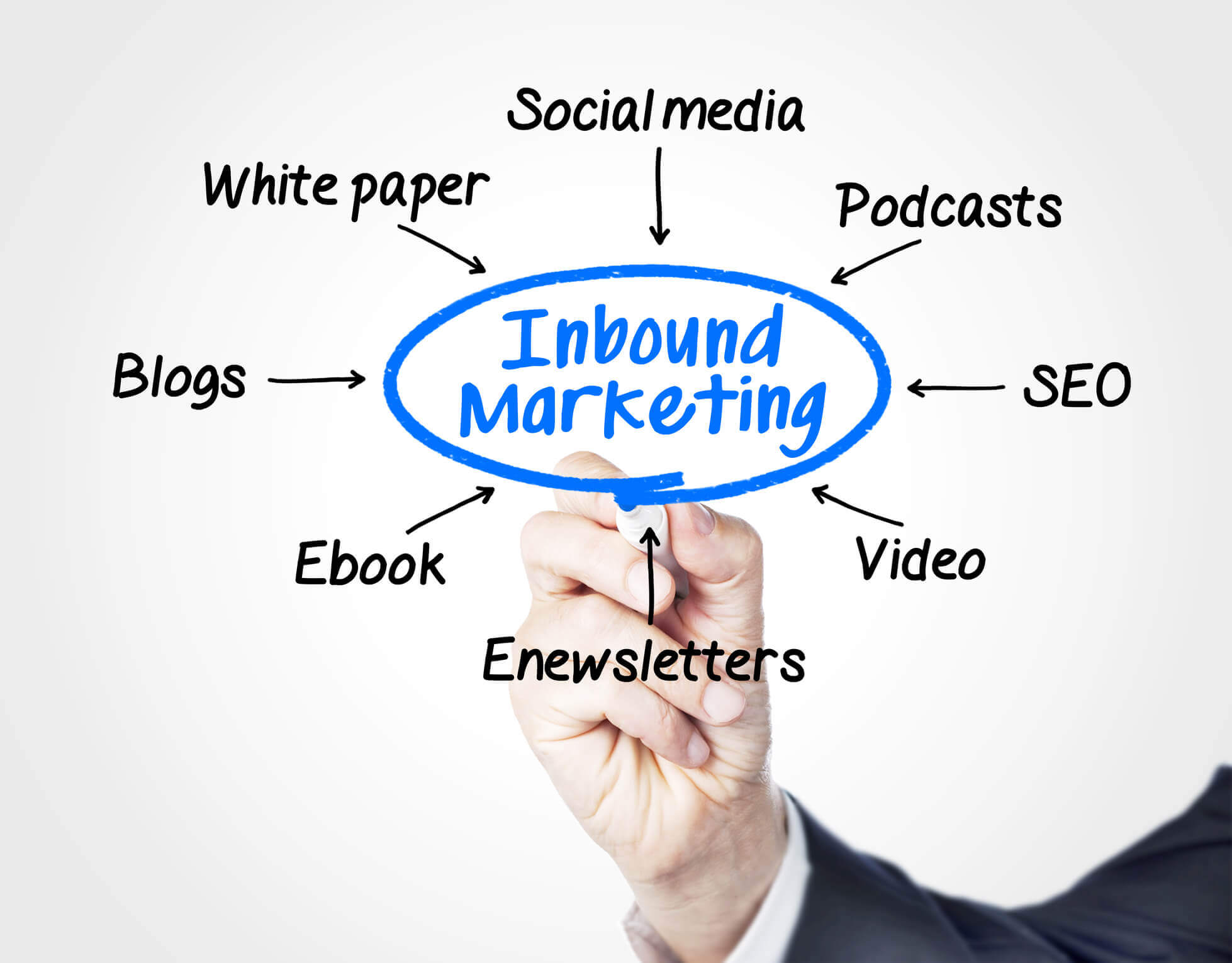
If you’re looking to grow your business and attract new customers, inbound marketing is a proven strategy to help you achieve your goals. But what exactly are inbound marketing channels? Inbound marketing channels are the various methods and platforms you can use to attract, engage, and delight your target audience.
Unlike traditional outbound marketing, which relies on interrupting people with ads and other promotional messages, inbound marketing is all about providing value to your audience. By creating high-quality content that answers their questions and addresses their pain points, you can build trust and establish yourself as a thought leader in your industry.
To help you better understand inbound marketing channels and how they can benefit your business, we’ll take a closer look at some of the key tactics and strategies you can use to attract and engage your target audience. From creating compelling content to optimizing your website for search engines, we’ll cover everything you need to know to get started with inbound marketing.
Key Takeaways
- Inbound marketing channels are the methods and platforms you can use to attract, engage, and delight your target audience.
- Inbound marketing is all about providing value to your audience through high-quality content and thought leadership.
- Key tactics and strategies for inbound marketing include content creation, SEO, social media engagement, email marketing, and using analytics to improve your results.
Understanding Inbound Marketing
If you are looking to promote your business, you need to understand the difference between inbound and outbound marketing. While outbound marketing is focused on pushing your message out to a wide audience, inbound marketing is all about attracting potential customers to your business by providing them with valuable information and building trust.
Inbound vs Outbound Marketing
Outbound marketing techniques such as television commercials, billboards, and cold calling are often seen as intrusive and annoying. Inbound marketing, on the other hand, is all about creating content that people want to engage with. This can include blog posts, social media updates, videos, and more. By providing valuable information that is relevant to your target audience, you can attract potential customers to your business and build relationships with them over time.
Core Principles of Inbound Marketing
At the core of inbound marketing are four key principles: SEO, content, trust, and relationships.
SEO
Search engine optimisation (SEO) is the process of improving your website’s visibility in search engine results pages. By creating high-quality content that is optimised for specific keywords, you can increase your website’s ranking in search results and attract more traffic to your site.
Content
Content is at the heart of inbound marketing. By creating valuable, informative, and engaging content, you can attract potential customers to your business and build trust with them over time. This can include blog posts, videos, infographics, and more.
Trust
Trust is a crucial component of inbound marketing. By providing valuable information and building relationships with your audience, you can establish your business as a trusted source of information in your industry.
Relationships
Inbound marketing is all about building relationships with your audience. By providing valuable content and engaging with your audience on social media and other channels, you can build trust and establish long-term relationships with potential customers.
In conclusion, inbound marketing is a powerful way to attract potential customers to your business and build relationships with them over time. By focusing on SEO, content, trust, and relationships, you can create a successful inbound marketing strategy that drives traffic to your website and helps you grow your business.
Inbound Marketing Strategy
Inbound marketing is a customer-centric approach to marketing that aims to attract, engage, and delight customers by providing valuable content that meets their needs. The goal of inbound marketing is to create a relationship with your target audience by providing them with content that is relevant, helpful, and informative.
Developing a Strategy
Developing an inbound marketing strategy involves identifying your target audience, understanding their needs, and creating content that addresses those needs. To do this, you need to conduct research to identify the pain points and challenges that your target audience faces. You can use surveys, customer interviews, and social media listening tools to gather this information.
Once you have identified the needs of your target audience, you can create a content plan that aligns with their buyer’s journey. The buyer’s journey is the process that a buyer goes through when making a purchase decision. It consists of three stages: awareness, consideration, and decision. At each stage, the buyer has different needs and requires different types of content.
Aligning Content with the Buyer’s Journey
To align your content with the buyer’s journey, you need to create content that meets the needs of your target audience at each stage of the journey. At the awareness stage, the buyer is just becoming aware of their problem and is looking for information to help them understand it. At this stage, you can create blog posts, social media posts, and videos that provide educational content that helps the buyer understand their problem.
At the consideration stage, the buyer is considering different solutions to their problem and is looking for information on how to solve it. At this stage, you can create content such as eBooks, whitepapers, and webinars that provide more in-depth information on how to solve the problem.
At the decision stage, the buyer has decided on a solution and is looking for information on which product or service to choose. At this stage, you can create content such as case studies, product demos, and free trials that demonstrate the value of your product or service and help the buyer make a decision.
By aligning your content with the buyer’s journey, you can attract, engage, and delight your target audience and generate leads that are more likely to convert into customers.
Content Creation and Blogging
Creating valuable content is at the heart of inbound marketing. It’s what draws potential customers to your website and keeps them engaged. Your content should be relevant, informative, and engaging. By creating content that your target audience finds valuable, you can establish yourself as a thought leader in your industry and build trust with your audience.
Creating Valuable Content
To create valuable content, you need to understand your target audience. What are their pain points? What questions do they have? What information are they searching for? Once you have a good understanding of your audience, you can create content that addresses their needs.
When creating content, it’s important to keep SEO in mind. Use keywords that your audience is searching for, and make sure your content is optimized for search engines. This will help your content rank higher in search results and make it easier for your audience to find.
Blogging Best Practices
Blogging is one of the most effective ways to create valuable content. By regularly publishing blog posts, you can keep your audience engaged and establish yourself as a thought leader in your industry.
When blogging, it’s important to follow best practices. Your blog posts should be well-written, informative, and engaging. Use subheadings, bullet points, and images to break up your content and make it easier to read. Make sure your blog posts are optimized for search engines by including keywords in your title, meta description, and throughout your content.
To get the most out of your blog, make sure you’re promoting your content on social media and other channels. This will help drive traffic to your website and increase engagement with your audience.
Overall, content creation and blogging are essential inbound marketing channels. By creating valuable content and following best practices, you can establish yourself as a thought leader in your industry and build trust with your audience.
SEO and Keyword Research
When it comes to inbound marketing, SEO and keyword research are two essential components that can help you increase visibility and drive traffic to your website. In this section, we will discuss how to optimise your website for search engines and conduct effective keyword research.
Optimising for Search Engines
Search engine optimisation (SEO) is the process of improving the visibility of your website on search engine results pages (SERPs). By optimising your website for search engines, you can increase the quantity and quality of traffic to your site.
To optimise your website for search engines, you need to ensure that your website is structured and coded in a way that makes it easy for search engines to crawl and index your site. This includes ensuring that your website is mobile-friendly, has a fast loading speed, and uses relevant keywords in its content.
Conducting Effective Keyword Research
Keyword research is the process of identifying the keywords and phrases that your target audience is searching for on search engines. By conducting effective keyword research, you can create content that is optimised for those keywords and phrases, which can help improve your website’s ranking on search engine results pages.
To conduct effective keyword research, you need to use a variety of tools and techniques. One of the most popular tools for keyword research is Google’s Keyword Planner, which allows you to see how many people are searching for a particular keyword or phrase, as well as how competitive that keyword or phrase is.
Other techniques for conducting effective keyword research include analysing your competitors’ websites, using long-tail keywords, and using keyword research tools such as SEMrush and Ahrefs.
By optimising your website for search engines and conducting effective keyword research, you can increase the visibility of your website and attract more traffic to your site.
Social Media Engagement
Social media is an essential inbound marketing channel that can help you reach out to your target audience effectively. It provides an excellent platform for engaging with your followers and building a loyal customer base. To make the most of social media, you need to know how to leverage social platforms and build a strong social media presence.
Leveraging Social Platforms
Different social media platforms have different engagement rates and user demographics. Twitter, for example, is ideal for short, snappy updates, while LinkedIn is more suited for professional networking. Instagram, on the other hand, is all about visual content. To ensure maximum engagement, you need to tailor your content to suit each platform’s unique characteristics.
Building a Social Media Presence
Building a social media presence is all about creating content that resonates with your target audience. You need to create content that is informative, entertaining, and relevant to your followers. Engage with your followers by responding to comments and messages, and encourage them to share your content with their friends and family.
To build a strong social media presence, you need to focus on growing your followers. The more followers you have, the more people you can reach with your content. You can grow your followers by creating high-quality content, engaging with your followers, and running social media campaigns.
In conclusion, social media is an essential inbound marketing channel that can help you reach out to your target audience effectively. By leveraging social platforms and building a strong social media presence, you can engage with your followers and build a loyal customer base.
Email Marketing Techniques
Email marketing is one of the most effective inbound marketing channels for generating leads and engaging with your audience. However, crafting effective emails can be challenging, and avoiding spam filters is crucial to ensure your emails reach your target audience.
Crafting Effective Emails
To craft effective emails, you need to consider your audience and tailor your message to their needs and interests. Personalisation is key, and you should use your customer relationship management (CRM) system to segment your audience and send targeted messages. This will help you to increase engagement and conversion rates.
In addition, your emails should have a clear and concise subject line that grabs your audience’s attention. Use a conversational tone and avoid using jargon or technical terms that your audience may not understand. Also, include a clear call-to-action (CTA) that encourages your audience to take the desired action.
Avoiding Spam Filters
To avoid spam filters, you should follow best practices for email marketing. This includes avoiding spam trigger words such as “free”, “limited time offer”, and “buy now”. Additionally, you should avoid using all caps or excessive exclamation marks in your subject line or body.
It is also essential to ensure that your emails are mobile-friendly, as most people check their emails on their mobile devices. Use a responsive email design that adapts to different screen sizes and test your emails on different devices and email clients to ensure they look good and are easy to read.
By following these email marketing techniques, you can create effective emails that engage your audience and generate leads for your business.
Using Analytics and Feedback
To ensure the success of your inbound marketing strategy, it is essential to measure its performance using analytics. Analytics can provide valuable insights into how your marketing channels are performing and which channels are driving the most traffic and leads to your website. By using analytics, you can make data-driven decisions and adjust your marketing strategy accordingly.
Measuring Success with Analytics
There are several analytics tools available to help you measure the success of your inbound marketing channels. Google Analytics is a popular tool that provides a wealth of information about your website’s traffic, including the number of visitors, the sources of traffic, and the pages that are most popular. Other tools, such as HubSpot and Moz, offer more advanced analytics features, such as tracking the performance of your social media channels and email campaigns.
When measuring the success of your inbound marketing channels, it is important to focus on the metrics that matter most to your business. For example, if your goal is to generate leads, you should track the number of leads generated from each channel and the conversion rate of those leads. If your goal is to increase brand awareness, you should track metrics such as website traffic and social media engagement.
Gathering Customer Feedback
In addition to using analytics, it is also important to gather feedback from your customers. Customer feedback can provide valuable insights into how your marketing channels are perceived and how they can be improved. Surveys are a popular way to gather customer feedback, and they can be conducted online or offline.
When designing a survey, it is important to ask the right questions to gather the information you need. Open-ended questions can provide valuable insights into how customers perceive your brand and your marketing channels. Closed-ended questions can provide quantitative data that can be used to measure the success of your marketing channels.
By using analytics and gathering feedback from your customers, you can gain a better understanding of how your inbound marketing channels are performing and how they can be improved. This can help you establish authority in your industry and drive more traffic and leads to your website.
Landing Pages and CTAs
Landing pages are an essential part of inbound marketing channels. They are standalone web pages designed to convert visitors into leads by offering them something of value in exchange for their contact information. Landing pages are typically used to promote a specific offer, such as an ebook, whitepaper, or webinar.
Designing Effective Landing Pages
Designing effective landing pages requires careful attention to detail. The page should be visually appealing, easy to navigate, and optimized for conversion. Here are some tips for designing effective landing pages:
- Keep it simple: Avoid clutter and focus on the essentials. Use clear, concise language and avoid jargon.
- Use compelling visuals: Use high-quality images and videos to grab attention and convey your message.
- Make it easy to navigate: Use clear headings, subheadings, and bullet points to make the page easy to scan.
- Use social proof: Include testimonials, case studies, and other forms of social proof to build trust and credibility.
- Optimize for mobile: Make sure your landing page is optimized for mobile devices, as more and more people are accessing the internet on their smartphones and tablets.
Creating Compelling Calls to Action
Calls to action (CTAs) are a critical component of any landing page. They are the buttons or links that encourage visitors to take action, such as filling out a form or downloading an ebook. Here are some tips for creating compelling CTAs:
- Make it clear: Use clear, concise language that tells the visitor exactly what they will get when they click the button or link.
- Use action-oriented language: Use verbs that convey action, such as “download,” “register,” or “subscribe.”
- Create urgency: Use language that creates a sense of urgency, such as “limited time offer” or “only a few spots left.”
- Use contrasting colours: Use colours that stand out from the rest of the page to draw attention to the CTA.
- Test and optimize: Test different versions of your CTA to see which one performs best, and make changes accordingly.
By designing effective landing pages and creating compelling CTAs, you can increase engagement, generate more leads, and improve your conversion rates.
Marketing Automation and CRM
Marketing automation is a powerful tool that can help you streamline your inbound marketing efforts and make your marketing more efficient. With marketing automation software, you can automate many of the repetitive tasks involved in marketing, such as lead nurturing, email campaigns, and social media updates.
Implementing Automation Software
Implementing marketing automation software can be a complex process, but it can also be incredibly rewarding. When you implement automation software, you are essentially creating a system that can perform many of the tasks that you would normally have to do manually. This means that you can save time and focus on other important aspects of your business.
When you are implementing automation software, it is important to choose the right tool for your business. There are many different options available, and each one has its own strengths and weaknesses. Some of the most popular marketing automation tools include HubSpot, Marketo, and Pardot.
Integrating CRM Systems
Integrating your marketing automation software with your CRM system is essential if you want to get the most out of your marketing efforts. A CRM system is a tool that helps you manage your customer relationships, and it can be incredibly useful when combined with marketing automation software.
When you integrate your marketing automation software with your CRM system, you can create powerful workflows that help you manage your leads and customers more effectively. For example, you can create a workflow that automatically sends leads to your sales team when they reach a certain stage in the sales funnel.
Overall, marketing automation and CRM systems are essential tools for any business that wants to succeed with inbound marketing. By implementing automation software and integrating it with your CRM system, you can streamline your marketing efforts and make your business more efficient.
Video and Podcast Content
As part of your inbound marketing strategy, incorporating video and podcast content can be a highly effective way to engage with your audience and increase your visibility.
Incorporating Video Marketing
Video marketing is a powerful tool for inbound marketing, as it allows you to showcase your products or services in a visually engaging way. Videos can be used to provide product demonstrations, customer testimonials, or even behind-the-scenes glimpses of your business.
To make the most of video marketing, it’s important to create content that is both informative and engaging. This means focusing on the needs and interests of your target audience, and using a tone of voice that is both confident and knowledgeable.
Some tips for incorporating video marketing into your inbound strategy include:
- Creating short, snappy videos that are easy to digest
- Using eye-catching visuals and graphics to keep viewers engaged
- Including a clear call-to-action at the end of each video to encourage engagement
Podcasting for Inbound Marketing
Podcasting is another effective way to engage with your audience and build your brand. Podcasts can be used to share insights and expertise on a range of topics, from industry trends to product updates.
To make the most of podcasting, it’s important to create content that is both informative and entertaining. This means using a conversational tone of voice that is easy to listen to, and focusing on topics that are of interest to your target audience.
Some tips for incorporating podcasting into your inbound strategy include:
- Creating a regular schedule to keep your listeners engaged
- Inviting guests to share their insights and expertise
- Promoting your podcast on social media and other channels to increase visibility
By incorporating video and podcast content into your inbound marketing strategy, you can increase engagement with your audience and build your brand visibility.
Building Customer Relationships
Inbound marketing is all about building strong relationships with your customers. By creating valuable content and engaging with them on various channels, you can foster trust and loyalty, and provide excellent customer support and services.
Fostering Trust and Loyalty
Trust is a crucial element in any relationship, and it’s no different when it comes to customer relationships. By consistently providing valuable and informative content, you can establish yourself as a thought leader in your industry and build trust with your customers.
Additionally, by engaging with your customers on social media and other channels, you can create a sense of community and foster loyalty. Responding to comments and feedback in a timely and helpful manner shows your customers that you care about their opinions and value their input.
Customer Support and Services
Providing excellent customer support and services is another key component of building strong customer relationships. By offering multiple channels for customer support, such as email, phone, and live chat, you can ensure that your customers can easily reach you when they need assistance.
It’s also important to provide clear and concise information about your products and services, as well as any relevant policies or procedures. This helps to avoid confusion and frustration, and ensures that your customers have a positive experience with your brand.
Overall, building strong customer relationships through trust, loyalty, and excellent support and services is essential for any inbound marketing strategy. By focusing on these key elements, you can create a loyal customer base that will not only continue to do business with you but also recommend your brand to others.
Frequently Asked Questions
What constitutes an inbound marketing channel?
Inbound marketing channels are the mediums through which businesses attract, engage, and delight potential customers by creating and sharing valuable content. These channels include search engine optimization (SEO), social media marketing, email marketing, content marketing, and more. Inbound marketing channels differ from outbound marketing channels in that they focus on attracting customers with relevant content rather than interrupting them with unwanted messages.
Can you provide examples of effective inbound marketing tactics?
Some effective inbound marketing tactics include creating informative blog posts, producing engaging videos, and developing interactive social media campaigns. Other tactics include offering free resources such as ebooks, webinars, and whitepapers in exchange for contact information. By providing valuable content, businesses can attract potential customers and build relationships with them over time.
How do inbound and outbound marketing channels differ?
Inbound marketing channels focus on attracting potential customers with relevant content, whereas outbound marketing channels interrupt potential customers with unwanted messages. Outbound marketing channels include tactics such as cold calling, direct mail, and television advertising. Inbound marketing channels, on the other hand, are designed to provide value to potential customers and engage them in a way that builds trust and credibility.
What role do inbound channels play in digital marketing strategies?
Inbound channels play a critical role in digital marketing strategies by helping businesses attract potential customers, build relationships with them, and ultimately convert them into paying customers. By creating and sharing valuable content, businesses can establish themselves as thought leaders in their industry and build trust and credibility with potential customers.
Which inbound channels are most effective for engaging potential customers?
The most effective inbound channels for engaging potential customers depend on the business and its target audience. Some businesses may find that social media marketing is the most effective channel, while others may find that email marketing or content marketing works best. By testing different channels and tracking results, businesses can determine which channels are most effective for engaging their target audience.
How do inbound marketing channels integrate with tools like HubSpot?
Inbound marketing channels can integrate with tools like HubSpot by providing valuable data and insights that can be used to improve marketing strategies. HubSpot allows businesses to track and analyze website traffic, social media engagement, email marketing campaigns, and more. By using these insights to improve their marketing tactics, businesses can attract more potential customers and ultimately grow their business.